
360+ national & international awards
A high-touch research program for middle and high school students who want to build original AI projects, publish stronger work, and compete with depth.
.jpg)
Original research
Student-led questions, mentor-guided rigor.
1:1 guidance
Ph.D. mentors and milestone-based support.
360+ national & international awards
100+ research publications(last 24 months)
10+ Student patent filings
Schovia's research program is the only one that enables middle and high school students to design and execute personalized research projects on topics they are passionate about, including science, healthcare, climate, sports, music, and more.
Students are not dropped into a generic capstone. They work from their own interests, learn the research process step by step, and build toward a result that feels genuinely theirs.

We ensure that every student's project is one of a kind. Each participant creates a unique project tailored to their specific interests and goals, fostering originality and personalized learning. No two projects are the same, allowing students to explore their passions and develop skills in a meaningful, individualized way.

We offer expert guidance for competitions and publication paths tailored to your project and academic level. Our support extends beyond high school journal submissions, empowering students to aim for professional publications typically pursued by graduate students and professors.

We offer a personalized program uniquely designed for each student, tailored to their current level of programming and AI knowledge.

Begin the program whenever it suits you, with no set start date. We offer flexible session times, frequency, and duration, all customized to fit the student's unique schedule and learning pace.
Students work with practitioners, founders, and researchers who bring deep academic and real-world AI experience to every project.
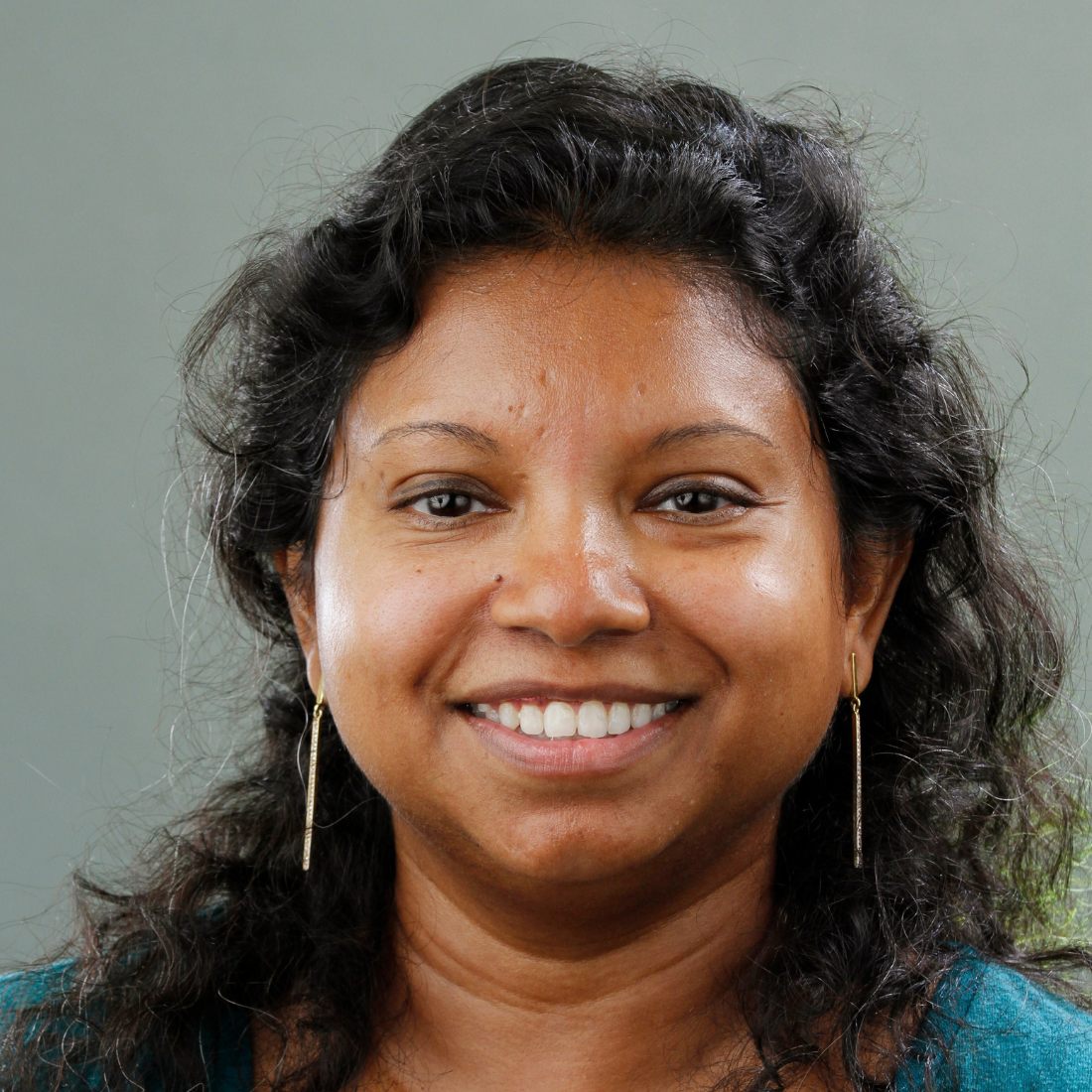
Founder & AI Systems Pioneer
Nisha Talagala is the CEO and founder of AIClub. Nisha co-founded ParallelM which pioneered the MLOps practice of managing machine learning in production. Nisha is a recognized leader in the operational ML space with more than 20 years of expertise in software development, distributed systems, technical strategy and product leadership. Nisha earned her PhD at UC Berkeley where she did research on clusters and distributed systems. Nisha co-chairs the annual conference on production machine learning (OpML). Nisha holds 68 patents in distributed systems and software, is a frequent speaker at industry and academic events, and is a contributing writer to Forbes Online/Cognitive World and other publications.
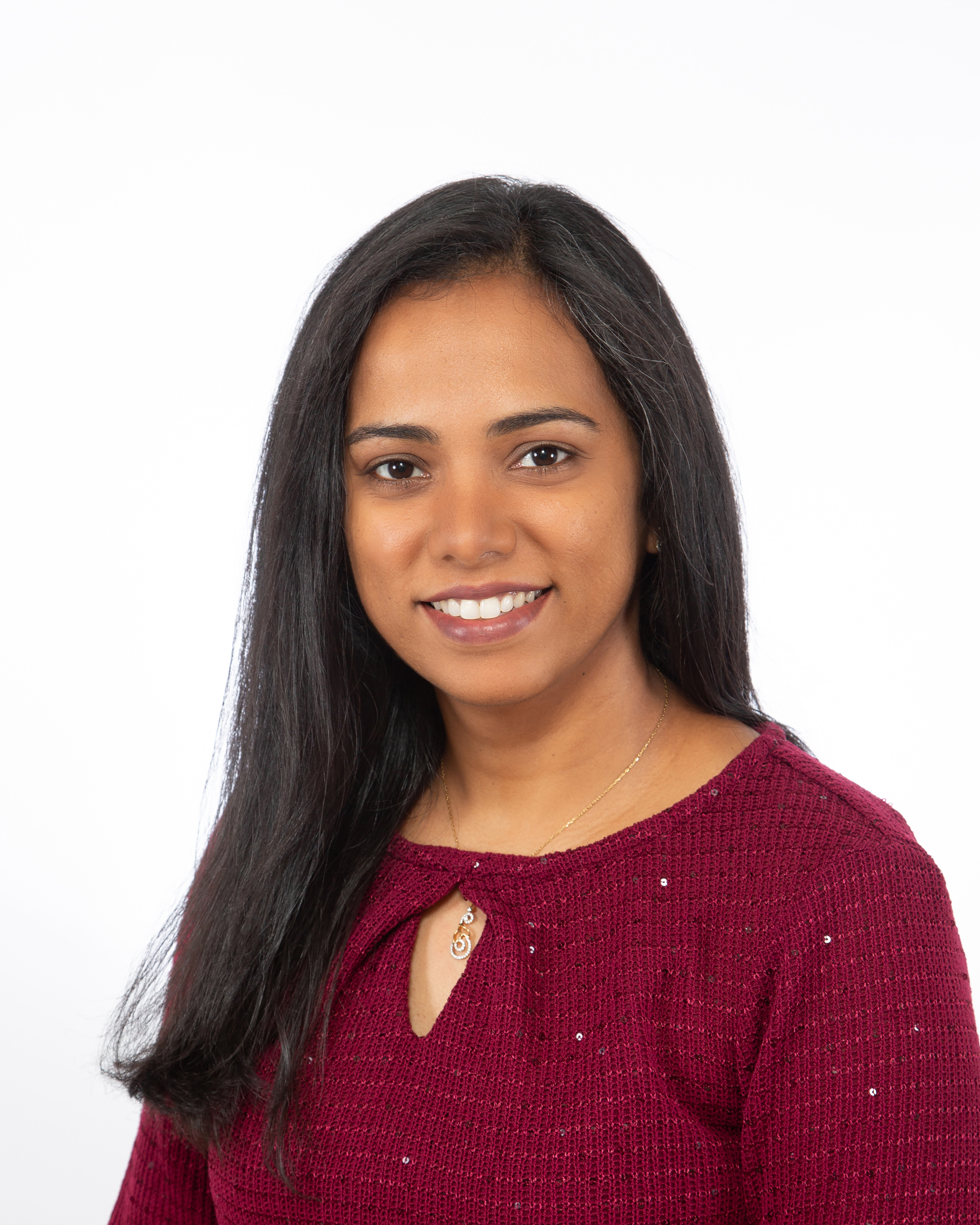
Head of Machine Learning, Pyxeda.ai
Sindhu Ghanta received her M.S. degree from Texas Tech University in 2010 and her Ph.D. degree in electrical and computer engineering from Northeastern University, Boston, USA. She was a Post-Doctoral Fellow with BIDMC and the Department of Pathology, Harvard Medical School, where she was involved in detection and classification of features from histopathological images. She worked as a research scientist with Parallel Machines on monitoring the health of ML algorithms in production and has many publications on ML innovations. She currently works as the Head of Machine Learning at AIClub.
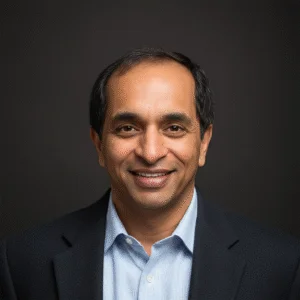
Head of Products, Pyxeda.ai
Amit Gupta is the Head of Products at AIClub. Amit has 20+ years of expertise in large-scale distributed systems design and development, and he was previously co-founder and CTO at Andale and Jasper. He holds a Ph.D. from the University of California at Berkeley, and has 50+ patents covering various aspects of Computer Networking, Distributed Systems, and Security.
CTO & Co-founder, Pyxeda.ai
Swaminathan (Swami) Sundararaman is the CTO and co-founder at Pyxeda.ai. Swami is a leader in operational machine learning, edge computing, distributed systems and storage systems. He has 10+ years of expertise in software development and machine learning. Swami holds a Ph.D. from the University of Wisconsin-Madison, and has 30+ patents in Distributed Systems, Operating Systems, Non-Volatile Memory, and storage systems. Swami co-founded the OpML and HotEdge conferences that foster upcoming innovations in operationalizing ML/DL models in production and edge computing, respectively. He serves on the steering committee and program committees of multiple technical conferences.
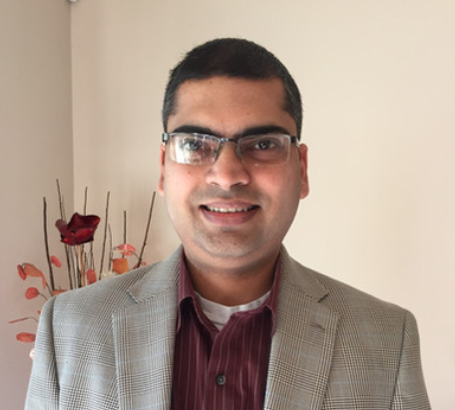
Director of Data Science, Oracle
Venkata Duvvuri is currently a Director of Data Science at Oracle Corporation and an adjunct faculty member at Northeastern University, where he teaches data analytics and machine learning. He is a results-oriented leader in data science, business analytics, digital media analytics, and web marketing optimization, with over 10 years of experience in these fields, in addition to 10 years of software engineering experience. He has held leadership roles ranging from Director to Manager at Fortune 100 companies and has driven multimillion-dollar improvements in business and marketing outcomes. Venkata holds a Ph.D. in Leadership and Innovation from Purdue University, a Master's in Computer Science from the University of Massachusetts Amherst, and an MBA from the University of California Davis.
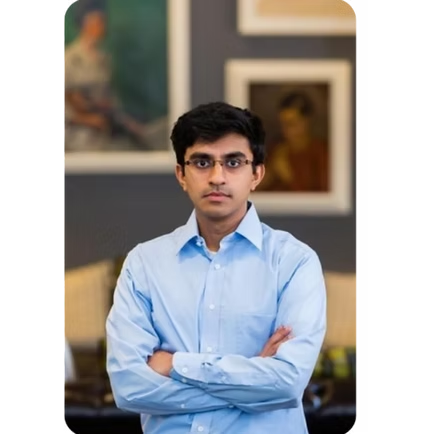
Founder & CEO, Deep Forest Sciences
Bharath Ramsundar, PhD is the founder and CEO of Deep Forest Sciences, a start-up working to accelerate the use of AI in deep tech. Dr. Ramsundar is also the lead maintainer of the DeepChem project, an open source consortium working to build software for open source medicine discovery. Bharath previously co-founded Computable, a venture-backed start-up building better tools for collaborative dataset management. Dr. Ramsundar has a Computer Science Ph.D. from Stanford University. His research and professional interests include the application of deep learning in drug discovery.
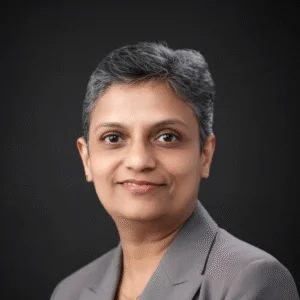
Researcher & Educator
Smriti H. Bhandari is an accomplished researcher and educator with over 28 years of experience in Computer Vision, Machine Learning, and Database Systems. She holds a PhD in Computer Science and Engineering and has held leadership positions at prominent engineering colleges. Smriti has developed and delivered numerous courses and workshops in data science and deep learning, and served as the principal investigator on government-funded projects with applications in medicine and industry. She has published extensively in her field and also brings industry experience as a freelance researcher and developer.
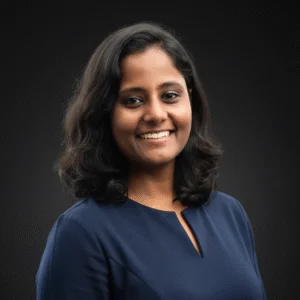
AI Research Mentor
Vani Kandasamy has a PhD in Information and Communication Engineering from Anna University, Chennai. Her research is focused on applying machine learning techniques to analyze large-scale datasets, resulting in several publications in reputable journals and conferences. She has 10 years of teaching experience as an Assistant Professor at PSG College of Technology, where she taught topics such as Computer Vision, Natural Language Processing, Social Network Analysis and Data Privacy.
Strong outcomes come from a strong process. The program emphasizes research integrity, transparent experimentation, and responsible use of modern AI tools.

The workflow blends idea development, foundational learning, experimentation, mentor review, and communication support so students can keep moving with clarity.
.png)
The range matters. Students tackle scientific, technical, and creative questions while learning how to justify choices and communicate results.

A computer vision project for spotting wildfire smoke earlier from trail and field imagery, helping accelerate alerts and response.

Students explored how machine learning workflows can accelerate the search for promising drug candidates linked to cancer treatment.

An interdisciplinary project combining movement analysis and AI to make dance coaching more accessible for aspiring learners.
They practice presenting, revising, and packaging their work for a real audience, whether that means a symposium stage, a competition panel, or a publication submission.
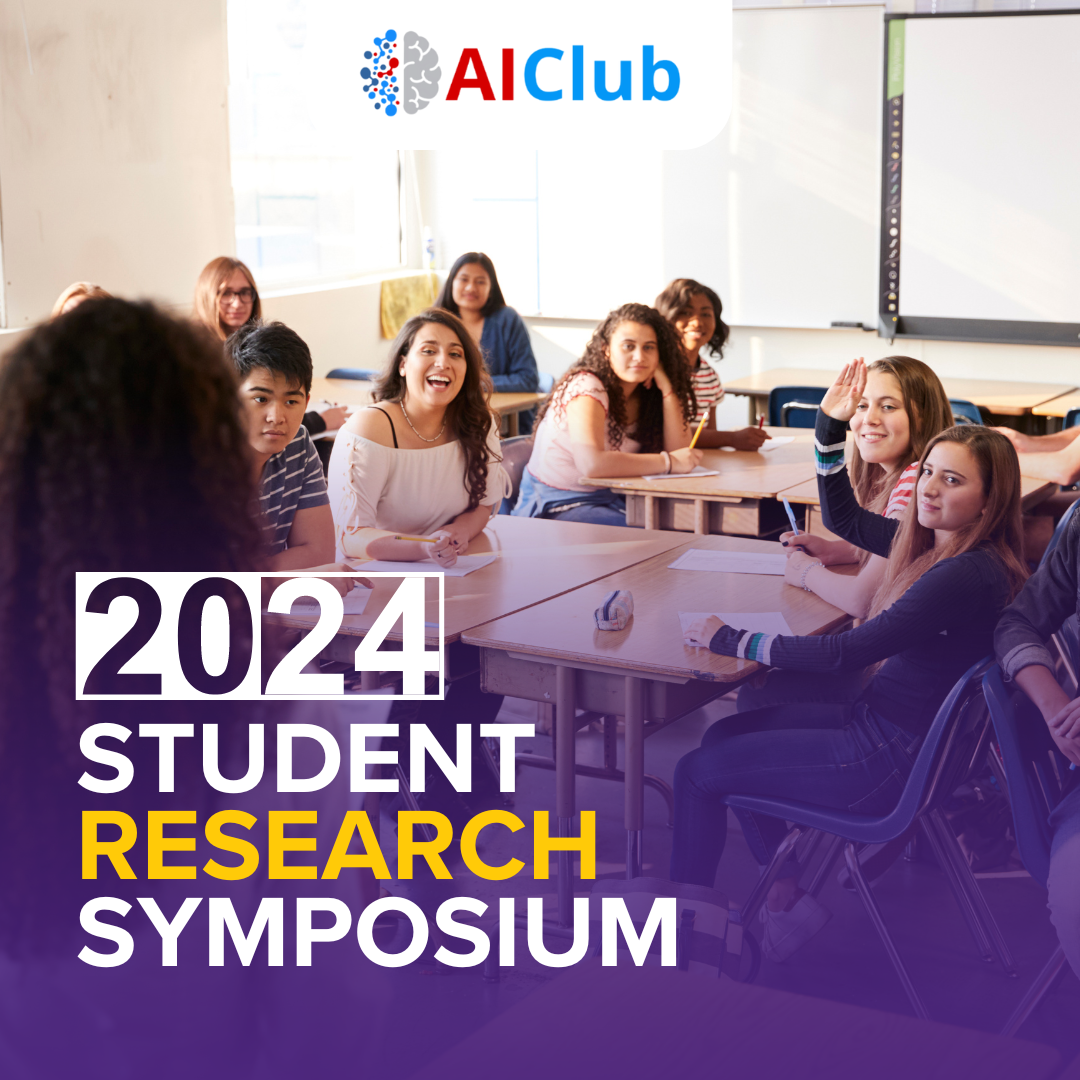
Students present their work publicly, explain their methods, and practice defending their findings with confidence.
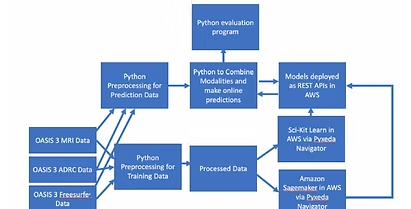
Projects can evolve into professional-looking writeups with research framing, results, and polished presentation assets.
The program helps learners build continuity from weekly mentorship into bigger milestones, showcases, and submission cycles.
A few core questions about how the program starts, what students work toward, and how the pace is managed over time.
The opening sessions focus on identifying the student's interests, brainstorming viable research ideas, and assessing what level of AI and coding support is needed.
Once a project direction is feasible, the team shapes a custom plan that mixes concept learning, experimentation, and milestone-based mentoring.